
HOW DUTERTE SHAPED MISINFORMATION IN PHILIPPINE POLITICS
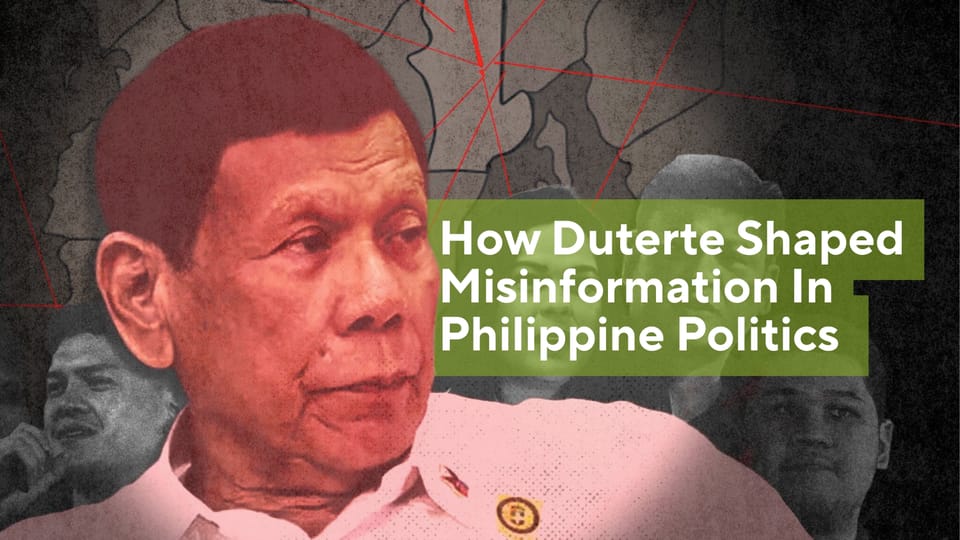
MANILA — Sa panahon sa administrasyon ni former President Rodrigo Duterte, nahimong mas powerful ang social media isip tool sa political communication—and at the same time, nahimong fertile ground usab kini para sa misinformation ug disinformation.
Researchers have described the Philippines as a major case study in the rise of political disinformation, with the Duterte era playing an important role in the development of the country’s online political ecosystem.
FROM 2016: SOCIAL MEDIA AS A POLITICAL WEAPON
Ang 2016 presidential election giila isip usa sa unang major “social media elections” sa Pilipinas.
Duterte’s online presence was particularly strong, with researchers finding extremely high engagement from his supporters. However, studies also caution nga dili tanan niini gikan sa fake accounts or paid trolls. Part niini reflected genuine grassroots support for Duterte.
Apan samtang nagkadako ang online following, mitubo usab ang ecosystem sa political trolling, coordinated messaging ug misleading narratives.
DISINFORMATION AND POLITICAL ATTACKS
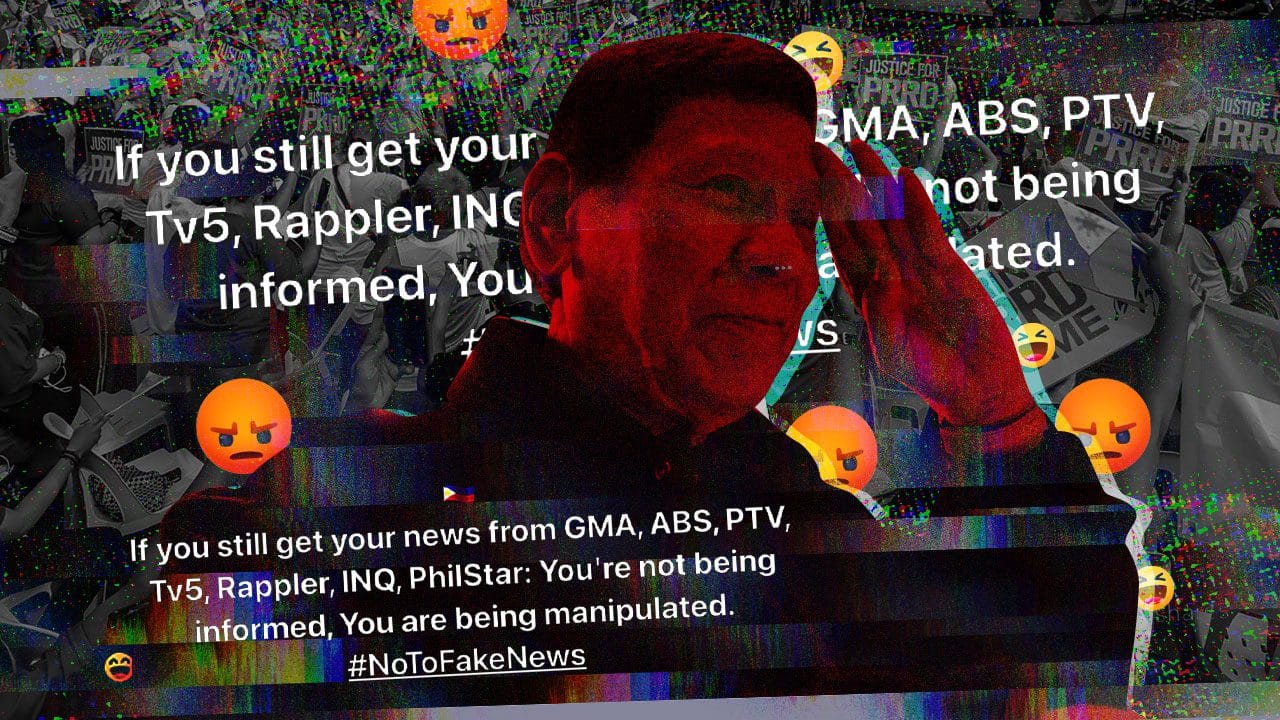
During the Duterte administration, social media was increasingly used not only to promote political messages but also to attack critics, journalists and opposition figures.
Some researchers documented how pro-Duterte online communities used strategies that included attacking, amplifying and discrediting critics and traditional media. One study examining selected pro-Duterte Facebook pages found that these tactics helped reinforce political echo chambers.
Some researchers documented how pro-Duterte online communities used strategies that included attacking, amplifying and discrediting critics and traditional media. One study examining selected pro-Duterte Facebook pages found that these tactics helped reinforce political echo chambers. (Brill)
Research has also linked the Duterte period to the growth of organized online disinformation networks and “troll” operations that helped reinforce strongman narratives and attack perceived political opponents. (OUP Academic)
FROM DUTERTE TO THE 2022 ELECTION
Ang influence sa maong online political environment wala nahuman sa 2016.
Pag-abot sa 2022 elections, social media continued to play a major role in shaping how Filipinos consumed political information. Studies identified narratives involving authoritarian nostalgia, conspiracy theories, strongman leadership and democratic disillusionment as prominent forms of election-related disinformation. (OVPAA)
Researchers also argued that the political communication strategies developed during the Duterte era were later adopted and adapted by other political campaigns.
NOT EVERYTHING WAS “FAKE NEWS”
Importante nga klarohon: dili tanan nga pro-Duterte content fake news, ug dili tanan nga Duterte supporters trolls.
A major study of the 2016 election found that Duterte’s strong online following could not simply be explained by fake accounts or paid operations. There was genuine grassroots enthusiasm behind much of his digital support. (Cambridge)
Ang mas importanteng issue mao ang system of information manipulation—kung giunsa pag-amplify ang certain narratives, pag-discredit sa critics ug pag-create og political echo chambers.
THE LEGACY
Ang Duterte era nakapausab sa paagi sa political communication sa Pilipinas.
From traditional campaign rallies and television appearances, political battles increasingly moved to Facebook, YouTube, TikTok and other digital platforms, where information can spread within minutes.
And the problem did not end with Duterte’s presidency. Recent research continues to describe the Philippines as highly vulnerable to political disinformation and coordinated online attacks. (reutersinstitute.politics.ox.ac.uk)
Sa katapusan, ang lesson sa Duterte era dili lang kung kinsa ang nagpakalat og fake news. Mas importante ang pangutana kung giunsa paggamit ang social media aron ma-shape ang beliefs, political loyalties ug public opinion sa mga Pilipino.
In a democracy, information can be power—but when that information is manipulated, it can also become a tool for political division.