
“BISAYA = DDS?” NOT EVERY BISAYA SUPPORTS THE DUTERTES
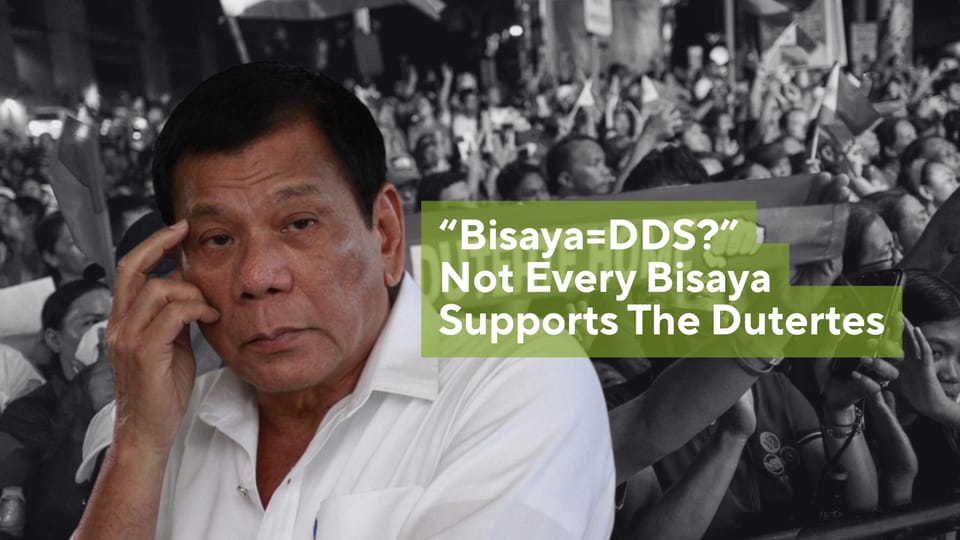
CEBU — Usa sa mga common political stereotypes nga balik-balik makita online mao ang idea nga “Bisaya = DDS.” Pero kung tan-awon ang actual election results, dili ingon ana ka-simple ang political preferences sa mga Bisaya.
Tinuod nga nakadawat og strong support si former President Rodrigo Duterte sa pipila ka parte sa Visayas ug Mindanao. Pero dili pasabot nga tanan nga Bisaya kay Duterte supporters.
THE NUMBERS TELL A DIFFERENT STORY
Sa 2016 presidential election, si Duterte nakadaog sa Central Visayas, lakip ang Cebu, ug nakakuha usab og strong support sa daghang bahin sa Mindanao. Apan sa tibuok Visayas, dili siya ang top candidate.
Official election results show that Duterte received around 31.9% of the Visayas vote, while Mar Roxas received approximately 41%.
Meaning, even during the election when Duterte first became president, a majority of Visayas voters did not vote for him.
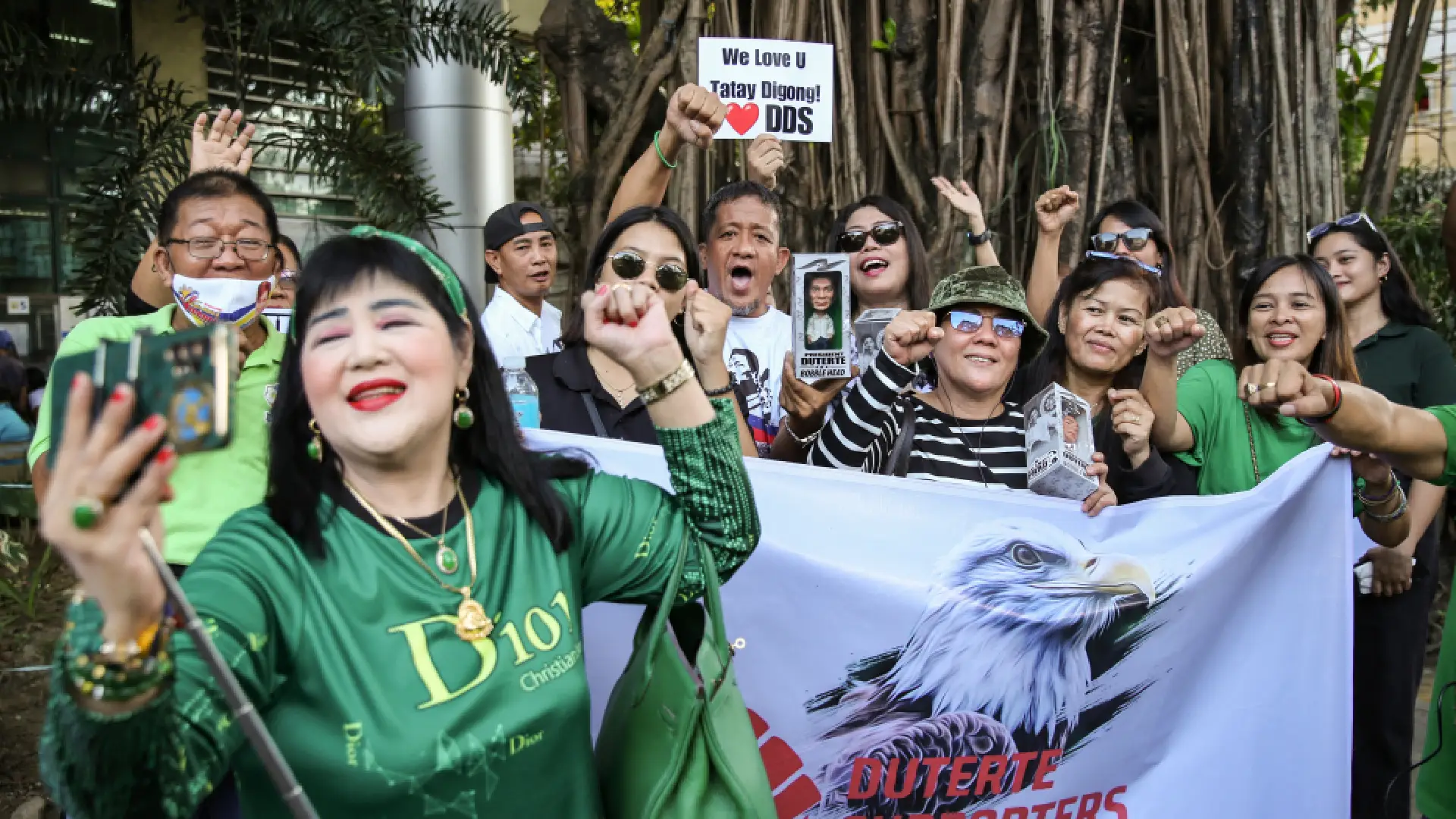
CEBU IS NOT THE WHOLE VISAYAS
Part sa confusion comes from Duterte’s strong performance in Cebu and Central Visayas.
Sa 2016 election, kusog gyud ang support ni Duterte sa Cebu, where he received the highest provincial vote for any presidential candidate nationwide. But other parts of the Visayas voted differently. Western Visayas and several other areas gave more support to other candidates. (MindaNews)
So saying “Bisaya = DDS” based on Cebu or Central Visayas alone ignores the political diversity of the entire Visayas.
MINDANAO IS NOT POLITICALLY MONOLITHIC EITHER
Even in Mindanao, where Duterte had his strongest regional support, dili gihapon unanimous ang vote.
In 2016, Duterte received about 63.8% of the Mindanao vote, but several provinces and cities still voted for other candidates. Records show that Duterte lost in five Mindanao provinces and four cities. (MindaNews)
So even in Duterte’s strongest political base, there were millions of voters who chose someone else.
BISAYA DOES NOT EQUAL POLITICAL IDENTITY
Ang pagka-Bisaya usa ka linguistic ug cultural identity—dili siya automatic political affiliation.
Naay Bisaya nga DDS. Naay Bisaya nga anti-Duterte. Naay Bisaya nga supporter sa laing political party. Ug daghan usab nga dili ganahan ma-identify sa bisan unsang political camp.
Political beliefs can change, evolve and differ even within the same family, city or province.
THE REAL ISSUE: STOP THE GENERALIZATION
Calling an entire ethnic, linguistic or regional group “DDS” simply because of historical voting patterns oversimplifies Philippine politics.
Yes, Duterte received significant support from the Visayas and particularly from Mindanao. But election data itself shows that the vote was never unanimous.
So the next time someone says “Bisaya man gud, DDS na,” the numbers tell us otherwise.
Being Bisaya does not determine who you vote for. Political choice is personal—and no region owns a single political ideology.